

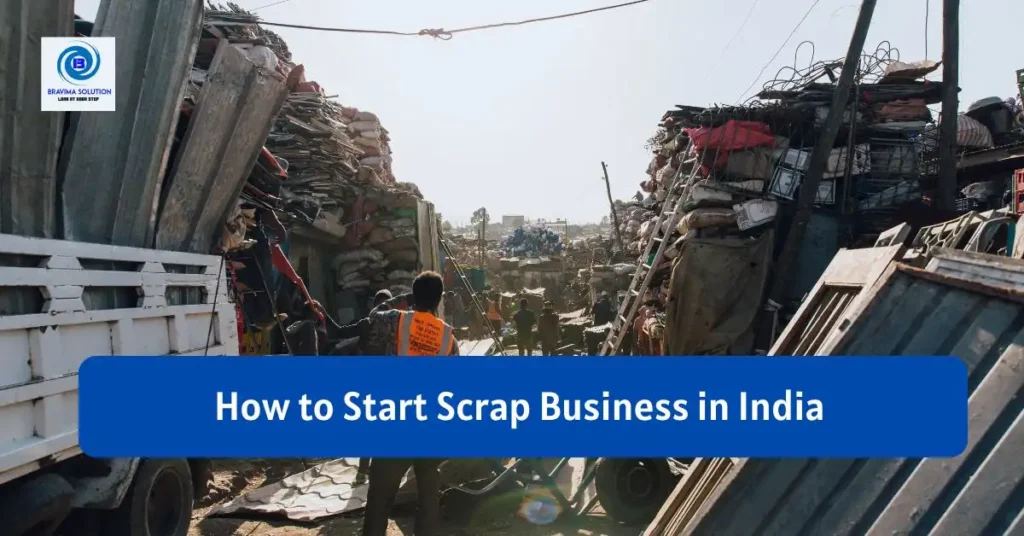
India generates millions of tons of scrap every year — from industrial metal waste to e-waste, plastic, and paper. With the rise of recycling industries and circular economy models, starting a scrap business in India is now a highly profitable and sustainable venture.
Whether you’re an aspiring entrepreneur or a small trader looking to scale, the scrap business offers huge potential — and with the right planning and funding, success is within reach.
At Bravima Solution Pvt Ltd, we help you secure business loans from leading NBFCs like Tata Capital, Bajaj Finserv, and others to kickstart your venture. This detailed guide will walk you through how to start your own scrap business in India — legally, profitably, and sustainably.
1. Understand the Scrap Business Industry in India
The scrap business involves collecting, sorting, processing, and selling recyclable materials like:
- Metal Scrap (aluminum, copper, iron, steel)
- Plastic Scrap (PET bottles, packaging waste)
- E-Waste (old electronics, batteries)
- Paper & Cardboard
- Rubber and Tyre Waste
These materials are in high demand in manufacturing, construction, recycling, and export sectors.
2. Decide Your Niche
Choosing the right type of scrap is crucial. Based on your budget, resources, and location, you can specialize in:
- Industrial Metal Scrap Dealing
- E-Waste Collection & Recycling
- Plastic Scrap Trading
- Vehicle Scrapping & Dismantling (under Registered Vehicle Scrapping Facility – RVSF)
💡 Tip:
Start with one category and expand as you build supplier and buyer relationships.
3. Create a Business Plan
Before you invest, prepare a scrap business plan that includes:
- Business model (B2B or B2C)
- Target market and location
- Supplier network (factories, scrap dealers, households)
- Buyer network (recyclers, manufacturers, exporters)
- Capital requirement and loan options
- Licensing & compliance roadmap
- ROI projection and breakeven timeline
Bravima Solution helps you create investor-ready business plans when applying for loans from NBFCs.

Best Working Capital Loans Loan offers are just a click away
4. Register Your Scrap Business
Legalizing your business builds credibility and avoids regulatory trouble.
Mandatory Registrations:
- GST Registration
- Udyam MSME Registration
- Shop & Establishment License
- Trade License (from local municipal authority)
- Pollution Control Board (PCB) NOC (especially for e-waste or metal recycling)
Optional: If dealing in large volumes, consider setting up a Private Limited Company or LLP for tax and liability benefits.
5. Choose the Right Location
Your scrapyard or collection center should be:
- Away from residential areas (for safety and zoning regulations)
- Easily accessible by trucks and transport vehicles
- Large enough for sorting, storage, and basic processing
- Approved by the local authority or industrial zone
💡 Tip:
Lease space in industrial clusters where waste generation is high.

Apply for Business Loans for Small Businesses
6. Set Up Tools, Equipment, and Staff
Depending on your scale and niche, invest in:
- Weighing Machines
- Cutting and Shredding Machines
- Magnetic Separators (for metal sorting)
- Safety Gear (gloves, boots, masks)
- Storage Units (covered sheds or containers)
- Pickup Trucks or Loading Vans
Hire basic staff for collection, segregation, sales, and logistics.
7. Build Your Supply Chain
For a successful scrap business, you need reliable supply sources:
- Factories and warehouses
- Local kabadiwalas and scrap dealers
- Housing societies and offices
- Government auction sites for bulk e-waste or vehicle scrap
Tie up with NGOs or municipal collection centers for consistent supply.
8. Find Buyers and Build Partnerships
You can sell scrap to:
- Local recyclers and processors
- Exporters and bulk buyers
- Manufacturers needing recycled materials
- Government-authorized dismantlers (for e-waste or vehicle scrap)
List your business on B2B platforms like Indiamart, TradeIndia, or ScrapMonster to get more leads.
Apply for Business Loan @ low interest rate
9. Arrange Business Loan or Working Capital
Starting a scrap business requires capital for:
- Equipment purchase
- Vehicle leasing
- Warehouse rent
- Staff salaries
- Buying scrap in bulk
At Bravima Solution Pvt Ltd, we connect you with top NBFCs like Tata Capital, Bajaj Finserv, and others to offer:
- Unsecured business loans up to ₹50 lakhs
- Collateral-free working capital
- Flexible EMI and tenure
- Quick disbursal for MSME entrepreneurs
10. Market Your Business
Use online and offline marketing to attract suppliers and buyers:
- Create a Google Business Profile
- List on recycling directories and scrap marketplaces
- Distribute flyers in industrial areas
Run targeted Meta or WhatsApp ads in local languages
Secure Your Business Funding – Apply in Minutes
Similar Blog
- Small Overdraft Loan for Business: A Smart Way to Manage Cash Flow
 Running a small business often comes with unexpected expenses and cash flow challenges. Whether it’s paying suppliers, covering salaries, or… Read more: Small Overdraft Loan for Business: A Smart Way to Manage Cash Flow
 - How to Reduce EMI on Business Loans in India: 7 Practical Ways
 If you’re running a business in India, managing your cash flow efficiently is crucial—and one way to ease financial pressure… Read more: How to Reduce EMI on Business Loans in India: 7 Practical Ways
 - What Is Business Turnover? Meaning, Types & Why It Matters
 For any business—large or small—turnover is one of the most fundamental metrics. But what does it really mean, and why… Read more: What Is Business Turnover? Meaning, Types & Why It Matters
 - Small Business Cash Advances: A Flexible but Costly Funding Option
 When small businesses face urgent funding needs—like addressing seasonal inventory demands or unexpected expenses—they often turn to cash advances (including… Read more: Small Business Cash Advances: A Flexible but Costly Funding Option
 - Business Working Capital Loans: A Lifeline For Small Manufacturers in India
 In today’s competitive and dynamic industrial environment, small manufacturers often face cash flow gaps that affect operations, payroll, raw material… Read more: Business Working Capital Loans: A Lifeline For Small Manufacturers in India
 - What Are the Foreclosure Charges on a Business Loan?
 Foreclosing a business loan—i.e., paying it off before the end of its scheduled term—can be a smart move to reduce… Read more: What Are the Foreclosure Charges on a Business Loan?
